Four Pillars, One Living System
Every program reinforces the next — income strengthens culture, culture strengthens stewardship, and stewardship secures the future for youth.
Women's Economic Empowerment
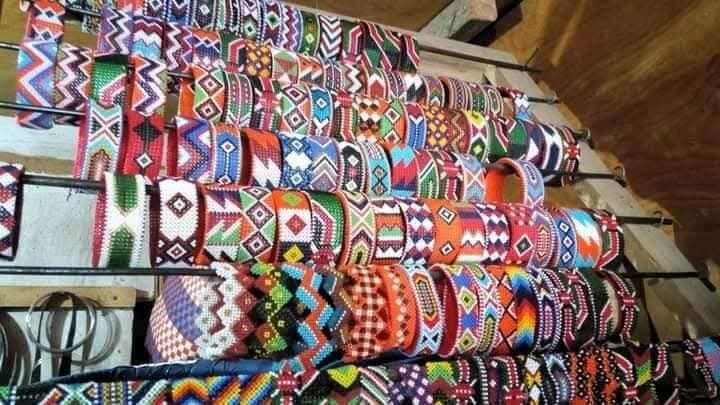
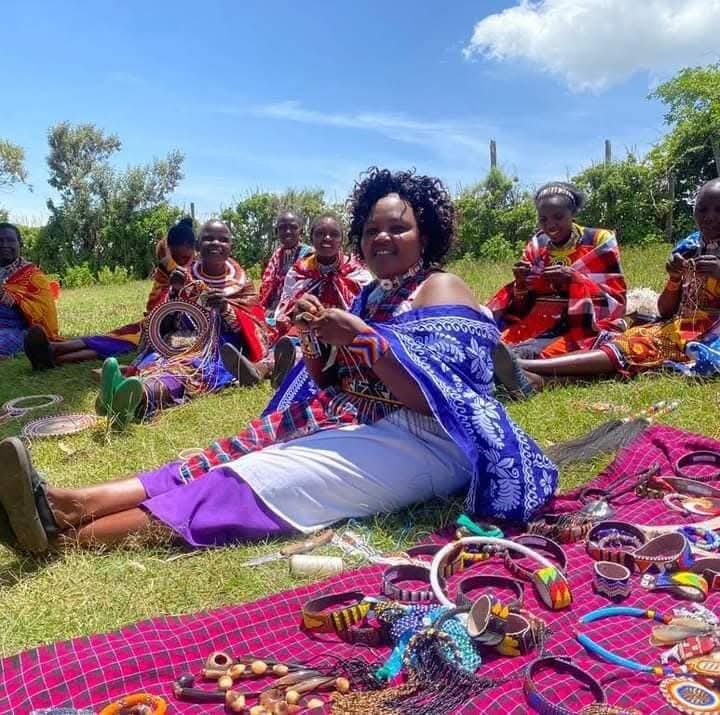
At the centre of our work are women artisans who turn generations of beadwork mastery into sustainable income. We invest in the skills, materials, and market connections that let that craft become a reliable livelihood.
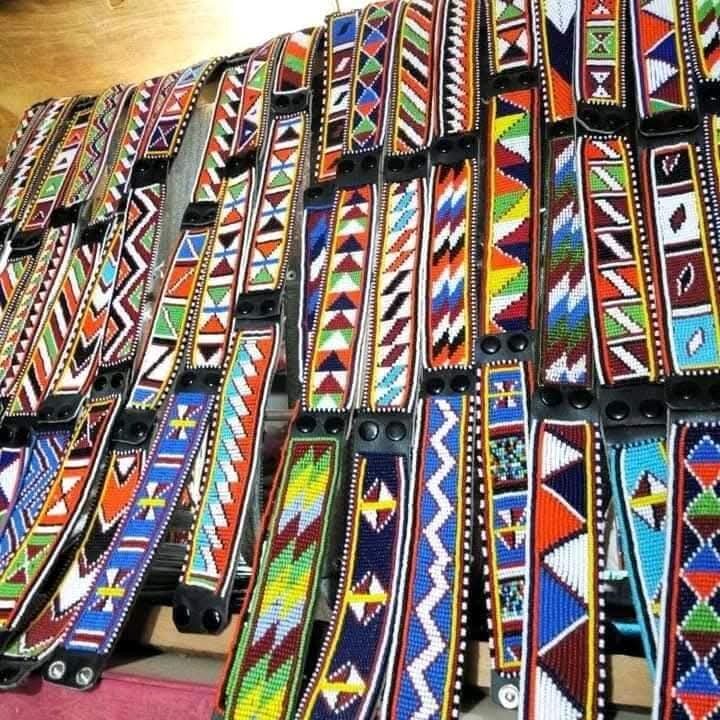
- Traditional Beadwork: Hands-on production of necklaces, bracelets, belts, and ceremonial pieces rooted in Maasai design language.
- Skills Development: Structured training in technique, quality, and design variety.
- Enterprise Support: Business and financial literacy so income translates into lasting household stability.
- Market Access: Connecting artisans directly to buyers, partners, and fair pricing.
Cultural Heritage & Knowledge Transfer
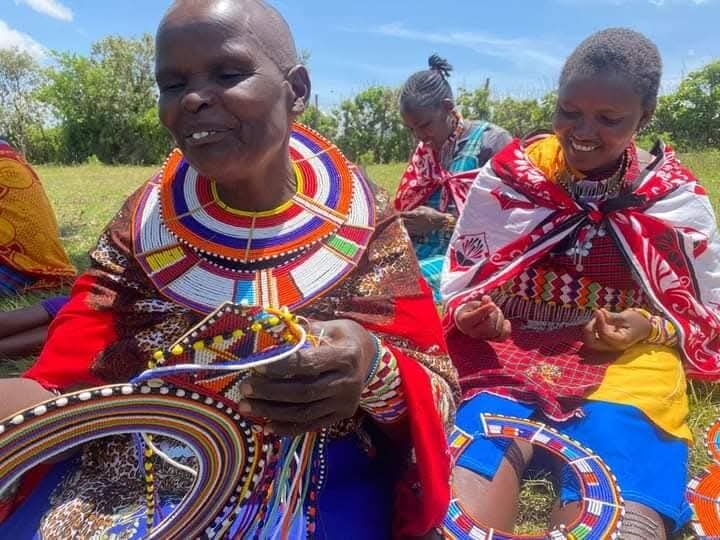
Women artisans are not only producers of beautiful crafts — they are educators and custodians of indigenous knowledge. Through structured mentorship and community learning, elders teach younger women and girls the full weight of what beadwork carries.
- Traditional Beadwork Training: Patterns, symbolism, and techniques passed hand to hand.
- Storytelling: Oral histories and proverbs that carry community values forward.
- Cultural Workshops: Group sessions exploring ceremony, identity, and tradition.
- Intergenerational Learning: Deliberate pairing of elders and youth.
- Indigenous Ecological Knowledge: Traditional understanding of land, weather, and resources.
Environmental Regeneration
Restoration that goes beyond planting trees — rebuilding the relationship between people, culture, and nature.
Indigenous Seed Collection
Community members identify and collect seeds from healthy indigenous tree populations.
Community Nurseries
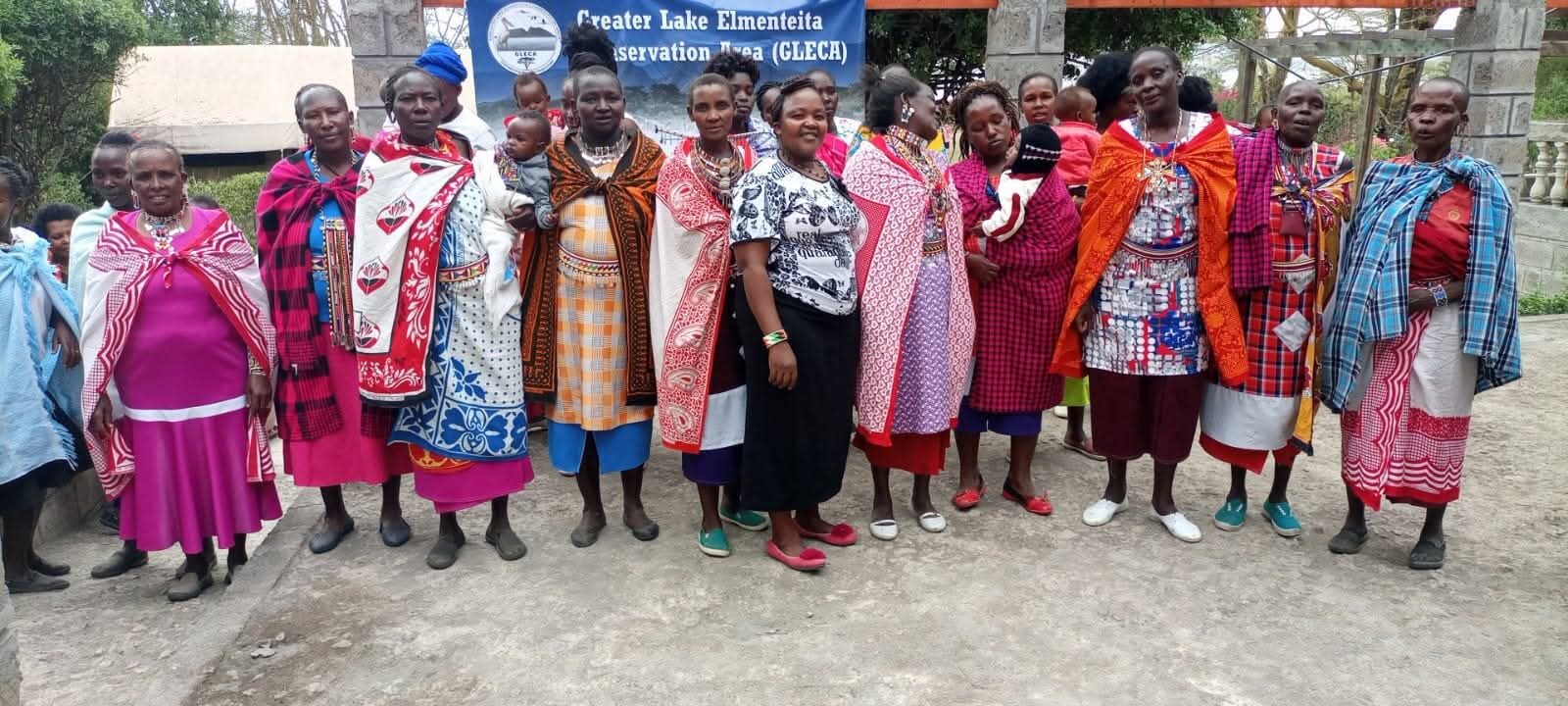
Women-led nurseries propagate thousands of indigenous seedlings annually.
Tree Planting Campaigns
Seedlings are planted in homesteads, schools, community lands, and riparian zones.
Long-Term Stewardship
Ongoing monitoring and community ownership for survival and growth.
Restoring the Rivers That Sustain Loita
Seasonal rivers and riparian zones are some of the most degraded yet most vital parts of the Loita landscape. We prioritize these areas for restoration because indigenous tree cover here stabilizes soil, protects water sources, and supports the biodiversity that the whole community depends on.
Training in nursery establishment, seed propagation, sustainable land restoration, and climate adaptation ensures these efforts are led, sustained, and owned by the community itself — not delivered from the outside.
Youth Engagement
The future of both culture and conservation rests with Loita's young people. We invest directly in their leadership, knowledge, and resilience.
- Leadership Development: Building confidence and decision-making skills among young women and men.
- Cultural Education: Deepening youth understanding of Maasai heritage and identity.
- Environmental Awareness: Connecting youth to the land through hands-on restoration work.
- Climate Resilience Training: Practical skills for adapting to a changing climate.
Every program is part of one story
See the measurable outcomes these four pillars have produced across Loita.