Custodians of Beadwork.
Stewards of the Land.
The story of the women who founded Maasai Treasures, and why they believe culture and environment cannot be separated.
Where rolling grasslands meet centuries of tradition
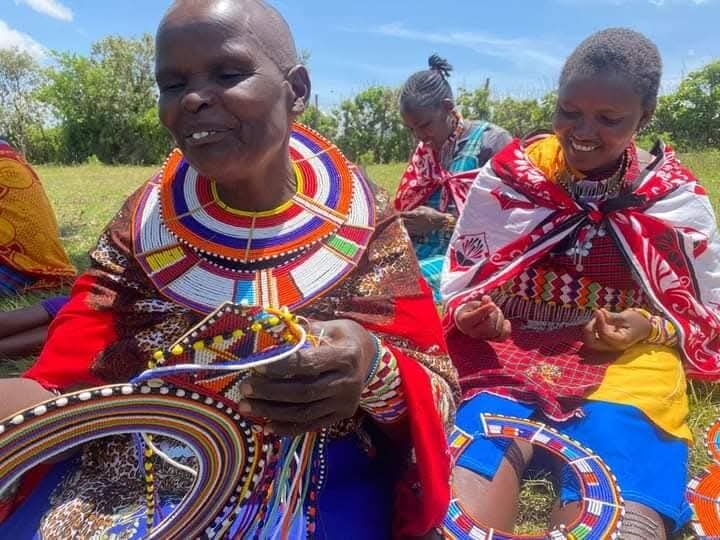
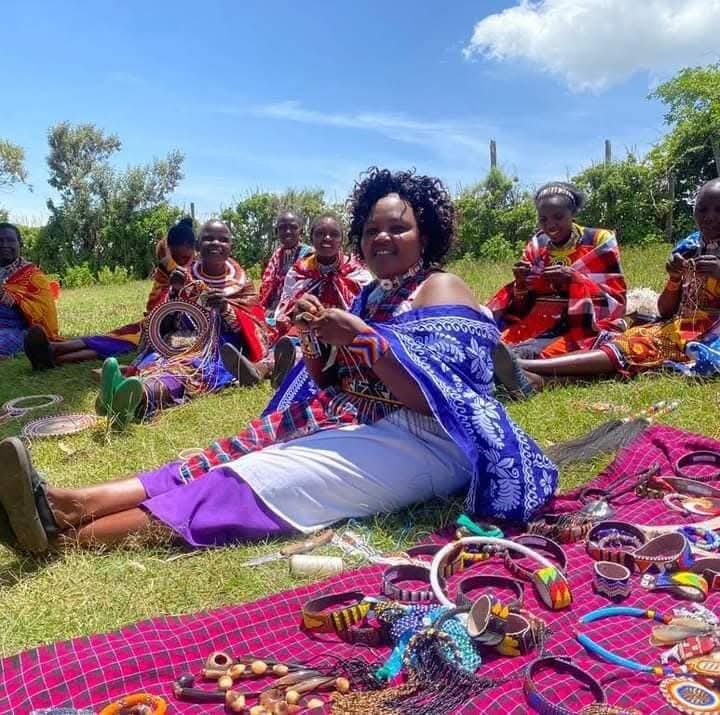
Nestled within the breathtaking landscapes of Loita, where grasslands meet indigenous forest, Maasai women have always played a central role in preserving cultural identity and community wellbeing. For generations, they have been the creators and keepers of beadwork traditions — every necklace, bracelet, belt, and ceremonial ornament communicating age, status, relationships, and cultural values.
Mothers, grandmothers, and elders traditionally passed these skills to younger women through observation, mentorship, and participation in daily life. But profound social, economic, and environmental changes — poverty, changing lifestyles, climate shocks, and declining natural resources — have weakened that system of knowledge transmission.
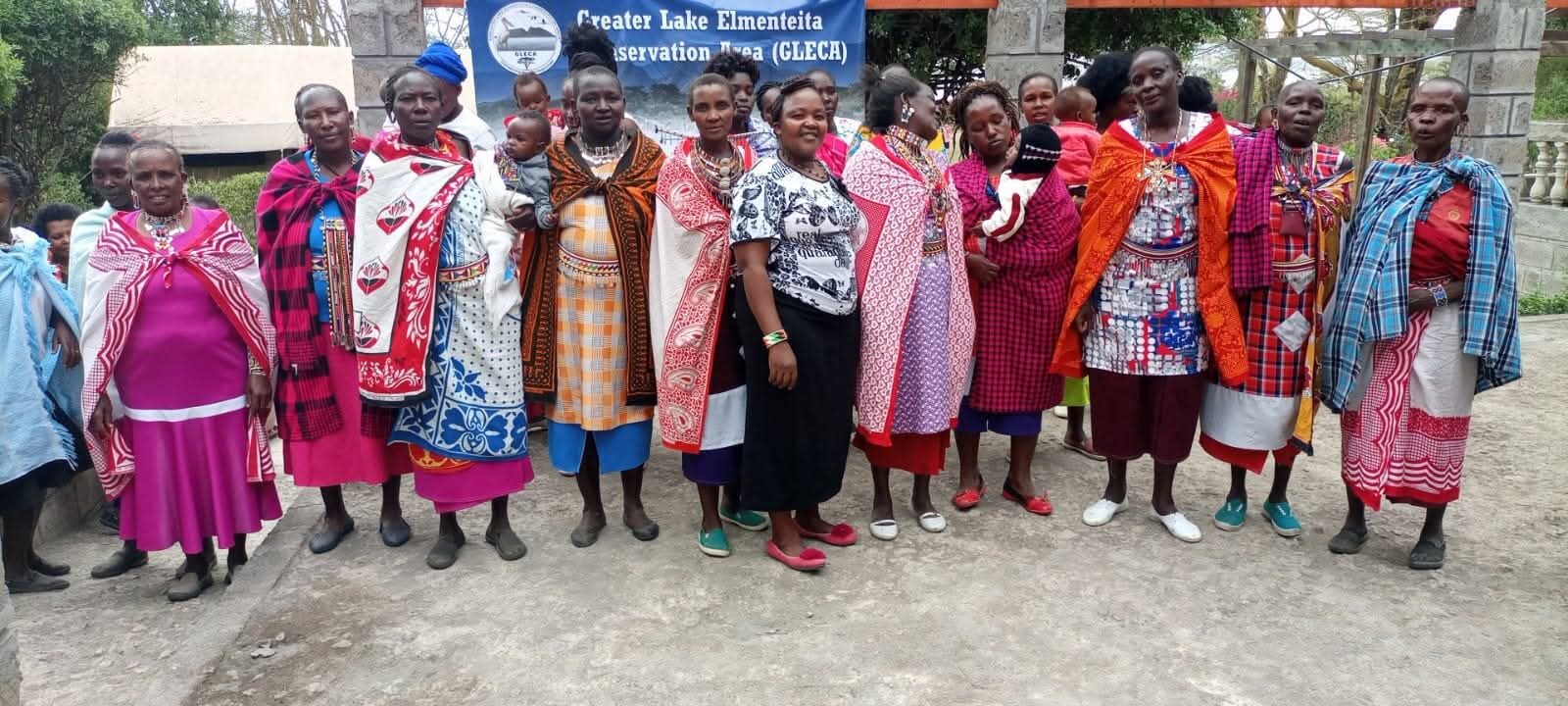
Recognizing these challenges, a group of determined Maasai women came together to establish Maasai Treasures CBO, with a vision as simple as it is powerful: create opportunities for women while preserving the cultural and environmental heritage that defines the Loita Maasai community.
Why we exist
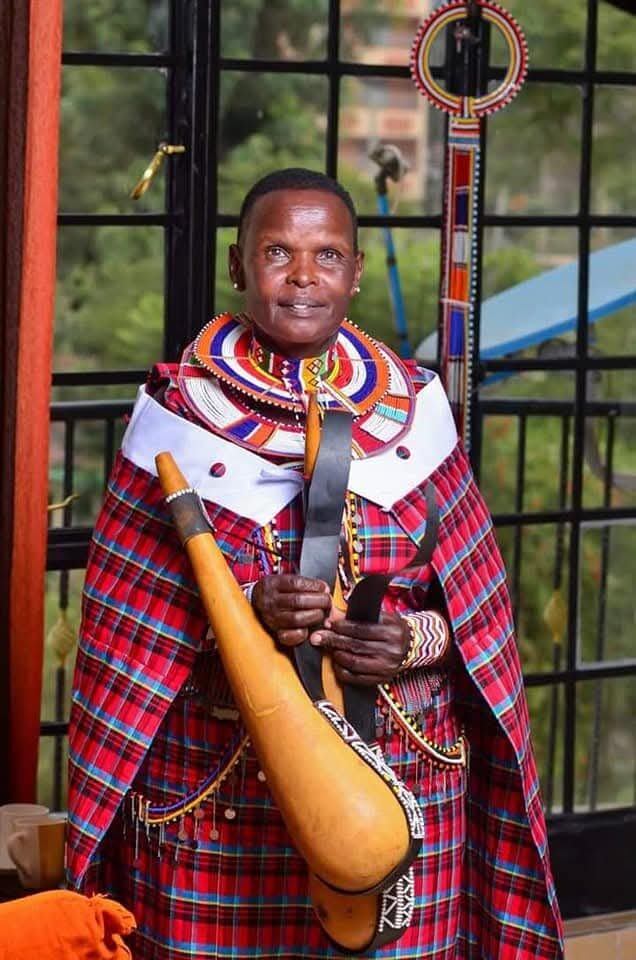
To empower Maasai women and youth through sustainable livelihoods, cultural preservation, indigenous knowledge transfer, and environmental regeneration — while promoting community resilience and ecological stewardship.
Where we're headed
A thriving Loita Maasai community where women are economically empowered, indigenous knowledge is valued and transmitted across generations, and culturally significant ecosystems are restored and protected for future generations.
Our Core Values
Cultural Integrity
We honor and preserve the traditions, values, and knowledge systems of the Maasai people.
Women's Leadership
We recognize women as powerful agents of change and community transformation.
Environmental Stewardship
We believe healthy ecosystems are essential for community wellbeing and future prosperity.
Community Ownership
Our solutions are locally led, community-driven, and rooted in indigenous knowledge.
Sustainability
We prioritize long-term social, cultural, environmental, and economic impact.
The Loita Maasai and Their Land
The Loita Maasai occupy one of Kenya's most culturally rich and ecologically significant landscapes — extensive rangelands, indigenous forests, sacred cultural sites, seasonal rivers, and unique biodiversity. For generations, the community has maintained a deep, respectful relationship with nature, where indigenous trees provide medicine, shade, fodder, spiritual significance, and construction materials.
The health of the environment is directly linked to the survival of Maasai culture. When forests disappear, cultural knowledge disappears with them. When indigenous species decline, traditional ecological practices weaken. When ecosystems degrade, livelihoods become increasingly vulnerable.
Protecting the environment, therefore, means protecting culture itself.
Interconnected Pressures Facing Loita
Economic hardship, cultural erosion, and environmental degradation are not separate crises — they feed one another. Our work responds to all three at once.
Limited Livelihoods
Many women possess extraordinary beadwork skills, yet lack access to markets, business training, and financial resources.
- Household incomes remain low
- Limited economic independence for women
- Rising youth unemployment
Loss of Indigenous Knowledge
Traditional systems for transferring cultural knowledge are becoming increasingly fragile.
- Modernization and changing lifestyles
- Migration of young people
- Fewer opportunities for intergenerational learning
Degradation & Climate Change
Climate change and environmental degradation are increasingly reshaping the Loita landscape.
- Declining indigenous tree populations
- Reduced biodiversity and soil erosion
- Increasing drought frequency
Why Indigenous Knowledge Matters
Indigenous ecological knowledge tells communities which trees heal, which plants signal coming rain, and how grazing land recovers after drought. It is knowledge tested across generations and adapted to this specific landscape — knowledge no manual can replace.
When elders teach beadwork symbolism alongside the ecological wisdom embedded in daily Maasai life, they aren't just preserving craft. They are keeping alive a complete way of reading, respecting, and restoring the land. Losing that knowledge would not just be a cultural loss — it would weaken the community's ability to adapt to a changing climate.